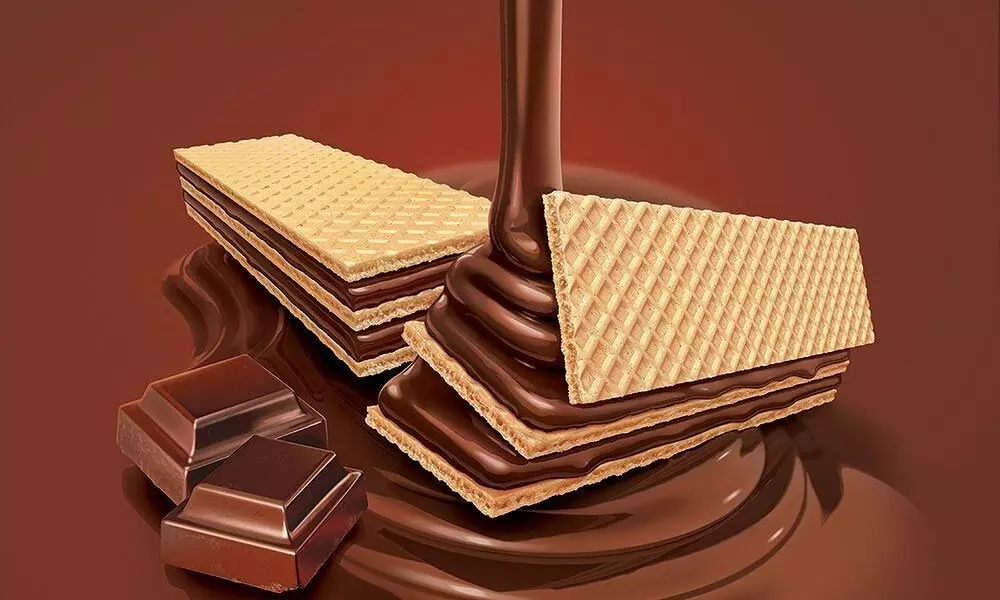
Waffers, those delicate and crispy treats, have been enchanting taste buds around the world for centuries. From their humble beginnings to their modern-day iterations, waffers hold a special place in the realm of sweets. Embarking on a journey through the history, flavors, and cultural significance of waffers unveils a delightful tapestry of culinary artistry and human ingenuity.
Waffers, often spelled “wafers,” trace their origins back to medieval Europe, where they were initially thin, crispy cakes cooked between wafer irons. These early waffers were simple concoctions made from flour, water, and sometimes flavorings like honey or spices. The word “waffer” itself comes from the Old French word “walfre,” meaning “honeycomb” or “hive,” reflecting the intricate patterns formed by the wafer irons.
Over time, waffers evolved in both flavor and form, adapting to the culinary preferences of different regions and cultures. In some places, waffers became associated with religious rituals, such as the communion wafers used in Christian ceremonies. In others, they became beloved street snacks, enjoyed by people of all ages.
One of the most iconic forms of waffers is the Belgian waffle, which gained popularity during the Middle Ages. Belgian waffles, with their deep pockets and fluffy texture, are a testament to the versatility of waffers and the creativity of bakers. Served with a dollop of whipped cream, fresh fruit, or drizzled with syrup, Belgian waffles are a decadent indulgence enjoyed around the world.
In recent years, waffers have experienced a resurgence in popularity, thanks in part to innovative chefs and food artisans who are reimagining this classic treat. Today, waffers come in a dizzying array of flavors and varieties, from traditional vanilla and chocolate to more exotic combinations like matcha green tea and salted caramel.
What sets waffers apart is their delightful combination of textures: crispy, airy, and satisfyingly crunchy. Whether enjoyed on their own or paired with other ingredients, waffers add a playful element to any dessert platter or afternoon tea spread.
One of the charms of waffers lies in their adaptability. They can be shaped into delicate cones and filled with ice cream, folded over to create sandwich cookies, or crushed and used as a flavorful topping for cakes and sundaes. The possibilities are limited only by the imagination of the baker.
For those with a penchant for nostalgia, making waffers at home can be a rewarding endeavor. With just a few simple ingredients and a bit of patience, anyone can recreate the magic of freshly baked waffers in their own kitchen. From mixing the batter to carefully monitoring the cooking process, there’s something deeply satisfying about crafting waffers from scratch.
Beyond their culinary appeal, waffers also hold a special place in popular culture. They’ve been featured in countless movies, books, and television shows, often serving as symbols of indulgence and decadence. Who can forget the iconic scene in “Breakfast at Tiffany’s” where Audrey Hepburn nibbles on a waffer while gazing into the Tiffany’s storefront?
In literature, waffers have been celebrated for their ability to evoke a sense of nostalgia and comfort. Writers from Marcel Proust to Laura Ingalls Wilder have immortalized waffers in their works, capturing the essence of childhood innocence and the simple joys of life.
In today’s fast-paced world, where trends come and go with dizzying speed, waffers remain a timeless classic. Their enduring popularity is a testament to their universal appeal and the enduring power of good taste.
As we continue to explore the culinary landscape, let us not forget the humble waffer and the joy it brings to people of all ages. Whether enjoyed as a sweet treat or a nostalgic indulgence, waffers will always hold a special place in our hearts—and on our dessert plates. So the next time you find yourself craving a little sweetness, reach for a waffer and savor the simple pleasure of a bite well enjoyed.
