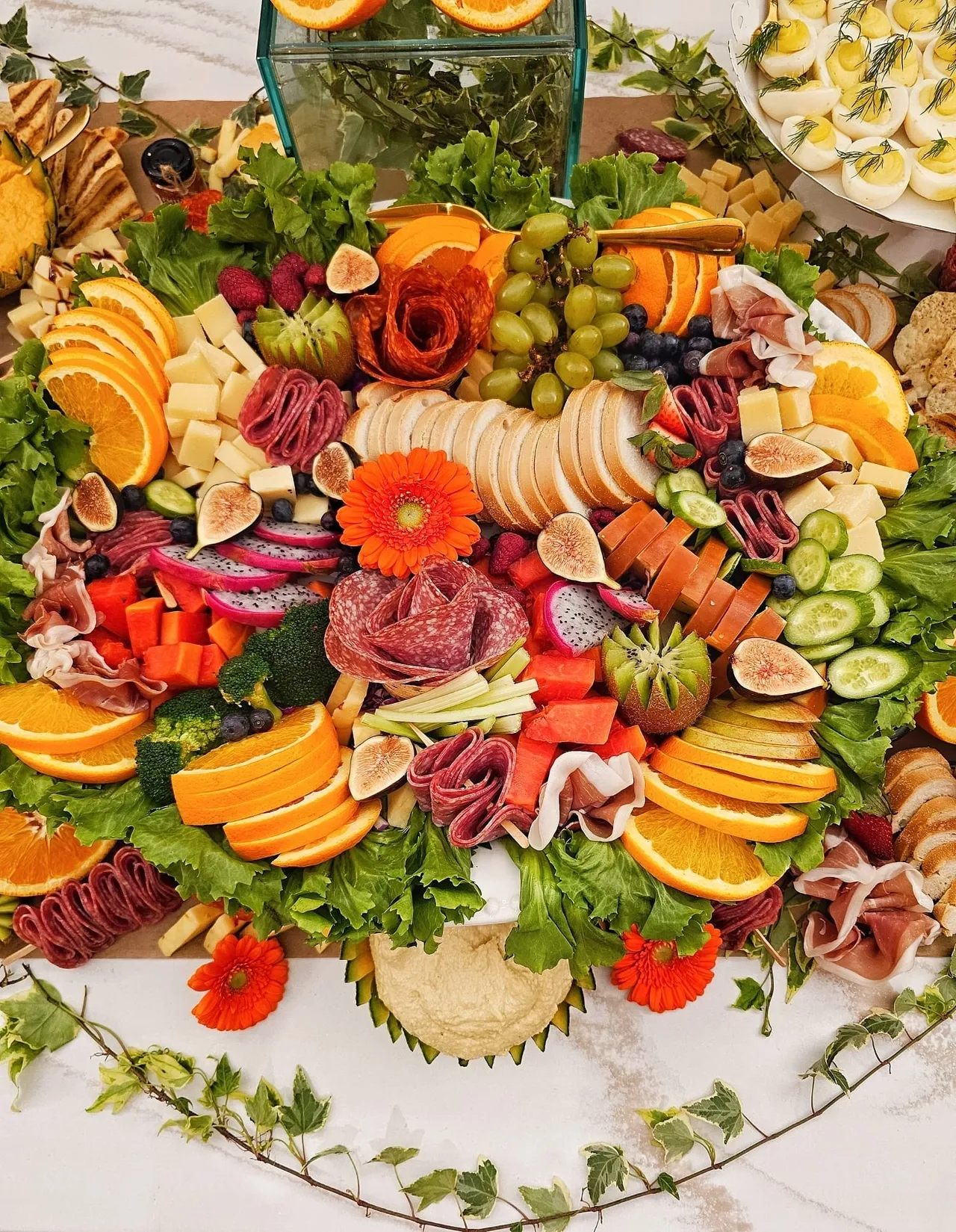
A charcuterie box is more than just food. It is a thoughtfully curated experience that brings people together through flavor, texture, and visual appeal. Whether you are planning a picnic, a small gathering, or an elegant party, a charcuterie box offers a convenient and stylish way to serve a variety of snacks.
These compact snack boxes combine cured meats, cheeses, fruits, and accompaniments into a balanced spread. Because they are easy to customize, charcuterie boxes work well for both casual and formal occasions.
In this guide, you will learn what a charcuterie box is, which ingredients to include, and how to assemble one that looks great and tastes even better.
What Is a Charcuterie Box?
A charcuterie box is a portable version of a traditional charcuterie board. Instead of arranging food on a large platter, items are neatly placed in a box or container. This makes serving easier and more hygienic, especially for individual portions.
Charcuterie boxes usually include cured meats, cheeses, fruits, nuts, and crackers. Each item is selected to complement the others. The result is a variety of flavors in one compact presentation.
Because of their flexibility, charcuterie boxes are ideal for picnics, gifting, parties, and on-the-go snacking.
Ingredients for a Perfect Charcuterie Box
Choosing the right ingredients is the key to creating a successful charcuterie box. A balanced mix of savory, sweet, and crunchy elements works best.
Cured Meats
Cured meats form the foundation of a charcuterie box. Popular options include prosciutto, salami, pepperoni, soppressata, and capicola. These meats add depth and rich flavor.
Thin slices are easier to eat and pair well with cheese. Including two or three types of meat creates variety without overcrowding the box.
Cheese Selection
Cheese adds creaminess and contrast. A good charcuterie box includes a mix of hard, soft, and semi-soft cheeses. Try cheddar, brie, gouda, or goat cheese for variety.
For variety, you can also add mini mozzarella balls or a small wedge of blue cheese.
Fresh and Dried Fruits
Fruits balance salty meats and rich cheeses. Fresh fruits such as grapes, strawberries, and apple slices add color and sweetness. Dried fruits like apricots, cranberries, and figs add chewiness.
Choose fruits that are easy to eat and not overly juicy.
Nuts and Crunchy Elements
Nuts add texture and crunch. Almonds, pistachios, walnuts, and cashews are popular choices. They pair well with both cheese and fruit.
Roasted or lightly salted nuts work especially well with cheese.
Crackers and Bread
Crackers and bread act as the base for meats and cheeses. Include a mix of water crackers, wheat crackers, and breadsticks for variety.
Small baguette slices are also a great option if space allows.
Condiments and Pickled Items
Condiments enhance flavor and add contrast. Honey, jams, and mustards add sweetness and tang. Pickles, olives, and cornichons add a salty crunch.
Use small containers to keep these items neat.
How to Make a Charcuterie Box Step by Step
Creating a charcuterie box is simple when you follow a clear process.
Choose the Right Container
Start with a sturdy box or tray. For individual servings, use small boxes or bento-style containers. For groups, choose a larger wooden or cardboard box.
The container should keep items secure during transport.
Arrange Larger Items First
Place cheeses and bread first. These items anchor the layout and help define the structure of the box. Leave space for smaller items.
Spacing matters, so avoid overcrowding early.
Fill in With Smaller Items
Next, add meats, fruits, nuts, and crackers. Fold or roll meats for visual appeal. Fill gaps with nuts, fruits, or small cheese cubes.
This creates a balanced and attractive layout.
Balance Flavors and Textures
A great charcuterie box includes contrast. Combine salty meats with sweet fruits, creamy cheeses with crunchy crackers, and soft textures with crisp ones.
This balance keeps each bite interesting.
Add Final Touches
Fresh herbs like rosemary or thyme can elevate the look. Edible flowers and small garnishes also add a finishing touch.
Charcuterie Box Ideas for Any Occasion
Charcuterie boxes can be adapted for different themes and events.
Seasonal Charcuterie Boxes
Use seasonal ingredients to enhance freshness and appearance. Spring boxes may include fresh berries and herbs, while autumn boxes can feature apples, pears, and spiced nuts.
Seasonal choices also keep costs manageable.
Themed Charcuterie Boxes
You can build a box around a theme. A Mediterranean box may include olives, feta, hummus, and pita. A breakfast box could feature mini pancakes, fruit, and yogurt.
Themes make the box more memorable.
Mini Charcuterie Boxes
Mini charcuterie boxes are perfect for individual servings. They are great for weddings, corporate events, and picnics. Each box can be customized for dietary needs.
These boxes are both practical and visually appealing.
Frequently Asked Questions About Charcuterie Boxes
Can I Make a Charcuterie Box Ahead of Time?
Yes, you can prepare a charcuterie box a few hours in advance. Store it in the refrigerator and add crackers just before serving to keep them crisp.
What Crackers Are Best for a Charcuterie Box?
Choose a variety of crackers with different textures. Thin crackers, crispbread, and seeded crackers all work well. Avoid overly soft crackers that break easily.
Can I Customize a Charcuterie Box for Dietary Needs?
Absolutely. You can create vegetarian, vegan, or gluten-free charcuterie boxes by swapping ingredients. Use plant-based cheeses, gluten-free crackers, and a variety of fruits and nuts.
Why Charcuterie Boxes Are So Popular
Charcuterie boxes are popular because they combine convenience, variety, and presentation. They are easy to serve, easy to share, and easy to customize for any occasion.
Whether you are entertaining guests or preparing a personal treat, a charcuterie box offers a simple way to enjoy good food with minimal effort.
