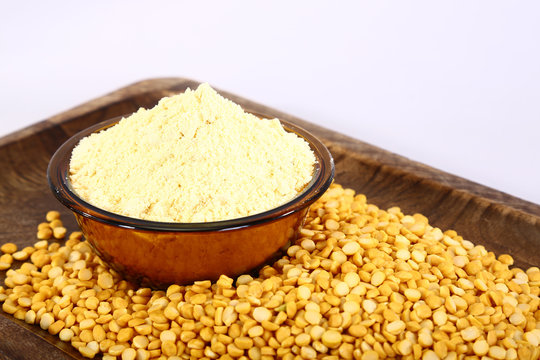
Bengal gram powder, also known as besan or chickpea flour, holds a significant place in the culinary landscape of many cultures worldwide. Derived from ground chickpeas, this versatile ingredient finds its way into an array of dishes, ranging from savory snacks to delectable desserts. As the demand for high-quality Bengal gram powder surges, consumers are presented with a plethora of options to choose from. In this article, we delve into the realm of Bengal gram powder products, comparing and contrasting various offerings to help consumers make informed decisions.
Understanding Bengal Gram Powder:
Before diving into the comparison, it’s crucial to grasp the characteristics of Bengal gram powder and its importance in cooking. This gluten-free flour boasts a nutty flavor and a fine texture, making it an ideal ingredient for batters, doughs, and thickening agents in various cuisines. Rich in protein, fiber, and essential nutrients, Bengal gram powder not only enhances the taste and texture of dishes but also adds nutritional value.
Factors to Consider:
When evaluating Bengal gram powder products, several factors come into play, including:
- Quality: The quality of Bengal gram powder depends on factors such as the sourcing of chickpeas, processing methods, and storage conditions. High-quality products typically feature finely ground flour with a fresh aroma and vibrant color.
- Purity: Consumers often seek pure Bengal gram powder devoid of additives, preservatives, or artificial colors. Pure variants offer a wholesome culinary experience while ensuring authenticity and nutritional integrity.
- Texture: The texture of Bengal gram powder can vary from coarse to fine, impacting its performance in recipes. Finely ground flour yields smoother batters and uniform consistency in dishes, whereas coarser varieties may result in grainy textures.
- Price: Price considerations play a significant role in consumer decision-making. While premium-grade Bengal gram powder may come at a higher price point, budget-friendly options offer cost-effective solutions without compromising quality.
Comparison of Bengal Gram Powder Products:
- Organic Bengal Gram Powder:
Organic Bengal gram powder has gained popularity among health-conscious consumers seeking natural and chemical-free alternatives. Sourced from organically grown chickpeas, this variant is free from pesticides, genetically modified organisms (GMOs), and synthetic fertilizers. Organic certification ensures adherence to strict agricultural standards, guaranteeing purity and sustainability. While organic options may command a premium price, they offer peace of mind to consumers concerned about environmental impact and personal well-being.
- Conventional Bengal Gram Powder:
Conventional Bengal gram powder, readily available in supermarkets and grocery stores, caters to a broader consumer base seeking affordability and convenience. While not certified organic, conventional variants undergo standard processing procedures to deliver consistent quality and flavor. These products often appeal to budget-conscious shoppers and those less concerned about organic credentials. However, discerning consumers may scrutinize conventional options for potential pesticide residues and processing additives.
- Stone-ground Bengal Gram Flour:
Stone-ground Bengal gram flour, crafted through traditional milling techniques, stands out for its artisanal quality and authentic flavor profile. The use of stone mills preserves the natural oils and nutrients present in chickpeas, resulting in flour with enhanced texture and taste. This artisanal approach appeals to culinary enthusiasts and purists appreciative of time-honored craftsmanship. While stone-ground variants may come at a premium price, their superior taste and nutritional benefits justify the investment for many discerning consumers.
- Gluten-Free Bengal Gram Flour:
Gluten-free Bengal gram flour caters to individuals with gluten intolerance or celiac disease, offering a safe and versatile cooking alternative. Produced in dedicated gluten-free facilities, these products undergo rigorous testing to ensure compliance with gluten-free standards. Gluten-free variants provide peace of mind to consumers navigating dietary restrictions while delivering the same culinary versatility and nutritional benefits as conventional Bengal gram flour. Despite being slightly pricier than regular options, gluten-free variants offer inclusivity and accessibility to individuals with specific dietary needs.
Conclusion:
In the realm of Bengal gram powder products, consumers are presented with a diverse array of options catering to various preferences and dietary requirements. Whether prioritizing organic integrity, artisanal craftsmanship, or gluten-free formulations, there’s a Bengal gram powder product to suit every discerning palate. By considering factors such as quality, purity, texture, and price, consumers can navigate the marketplace with confidence, selecting products that align with their values and culinary aspirations. As the demand for high-quality ingredients continues to soar, Bengal gram powder stands as a timeless staple, enriching culinary traditions and delighting taste buds around the globe.
